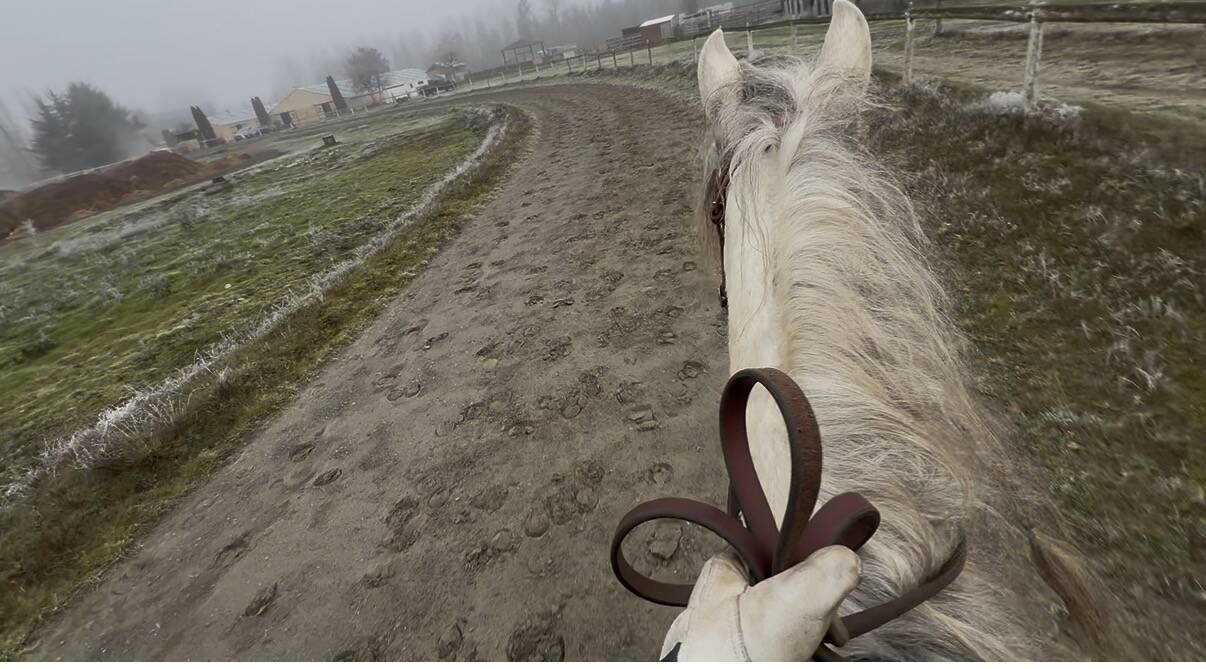
Most of my clients know that I am not only a LAMT, but also an avid rider and competitor, I honestly can’t shut up about it. I have lately been reflecting how my equine massage practice has affected my riding and training with my own horses, and I’ve compiled five habits that I think are non-negotiable for almost every horse.
The unglamorous truth about helping your horse’s body
If I had to pick one thing I wish more horses were getting in their week, it wouldn’t be a fancy supplement, a new saddle pad, or even bodywork.
It would be consistent, low-intensity movement.
I hate to be the bearer of bad news, but consistency really does matter. And not the perfect, color-coded, five-days-a-week version. What actually makes a difference is imperfect consistency.
In my own practice, the biggest change I wish I could see across more horses is simple:
more horses moving more often, more intentionally, at low intensities.
If you’re a weekend warrior, try adding just one or two low-intensity sessions during the week. Just 20 minutes of groundwork absolutely counts. You might be surprised how much progress can happen in that small window.
Train posture and strength
A lot of meaningful strength work happens when we take away momentum.
Slow, intentional exercises encourage balance and recruit the smaller postural muscles, instead of relying on the big, powerful movement muscles to do everything.
You don’t have to start with anything complicated.
Start simple:
- carrot stretches that gently challenge balance
- picking up and holding feet for short periods (can be done while picking out their feet)
- slow, thoughtful pole work
- eventually progressing to raised poles
And never underestimate walking, under saddle or in hand. Walking is genuinely great for a horse’s body.
Use grooming time as a body check
Grooming is one of the easiest opportunities to notice what’s happening in your horse’s body.
When I’m assessing a horse with my hands, I’m paying attention to things like:
- how much the skin slides over the muscle
- whether there’s a “bounce” or elasticity to the tissue
- if there are repeated reactions in the same spots every time
I’m in a unique position to feel these patterns every day through my work, but you can absolutely start noticing them too. (Stay tuned for some content about this coming up.)
Curry combs can also be a surprisingly useful tool for gentle massage during grooming. Check out my social media to find several videos about that!
Don’t skip the warm-up and cool-down
Before asking your horse for anything athletic, aim for at least seven minutes of gentle walk and trot. Some horses need even more time. A proper warm-up helps prepare muscles and fascia and reduces the risk of tension and injury.
Cool-down is just as important, and often overlooked. About ten minutes of easy movement is commonly recommended. It allows the heart rate and breathing to gradually return to normal and helps reduce stiffness and soreness by clearing the metabolic byproducts of exercise.
Keep an eye on your tack
Bodies change. As your horse gains strength or muscle, their tack fit can change right along with it.
A few simple reminders:
- regularly reassess saddle and pad fit
- be willing to switch pads if needed
- and if you use anatomical tack, make sure it truly fits your horse’s individual shape
Good work can be undone by poorly fitting equipment.
(And DON’T overtighten your cinch
None of this is flashy. It’s just about movement, slow strength, attention, and consistency. But it’s the quiet, repeatable habits that create healthier, more comfortable horses over time.
If I’m being honest, that’s the work I believe in most.


